AURA

AURA

Introduction

Introduction

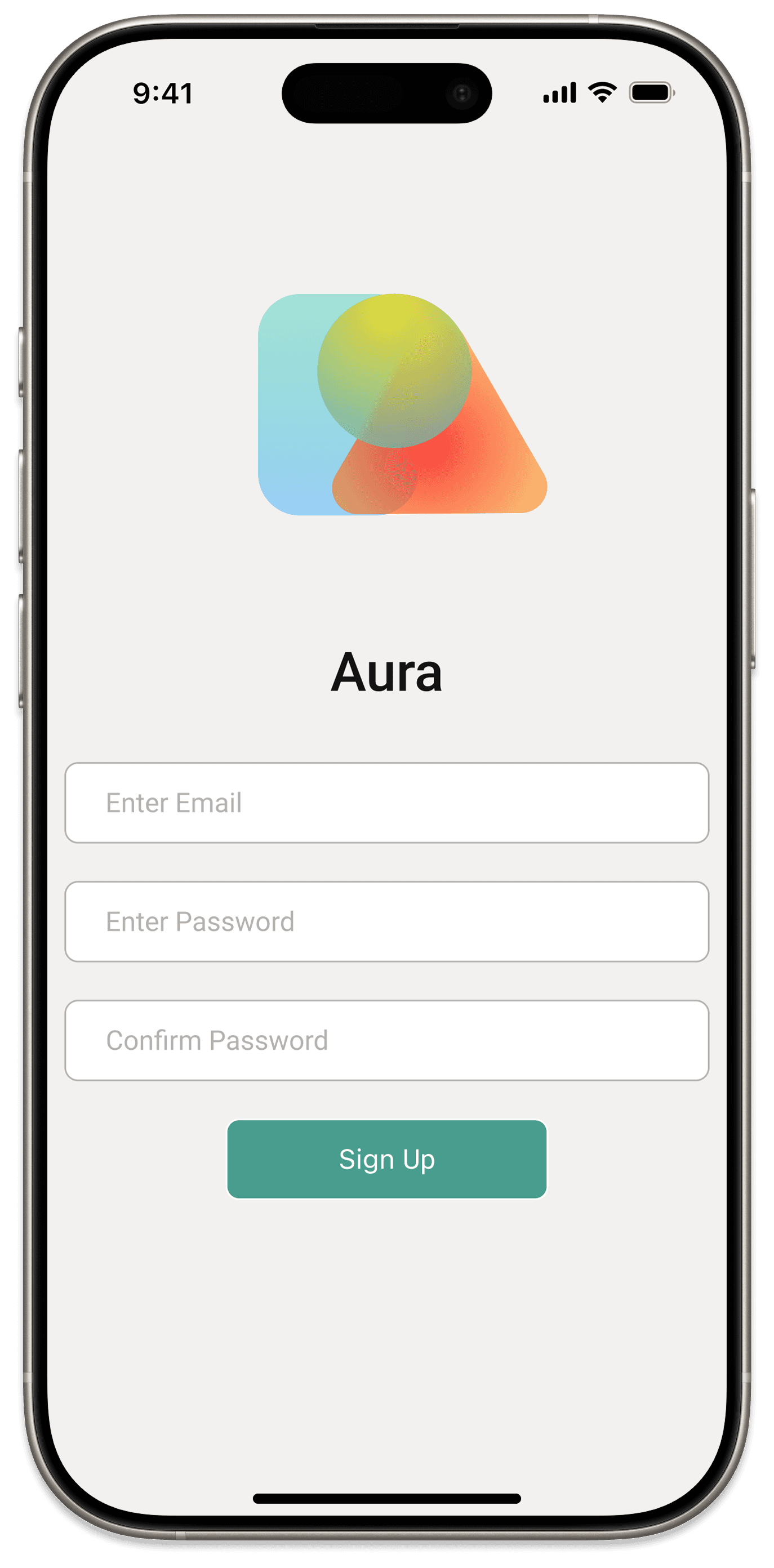
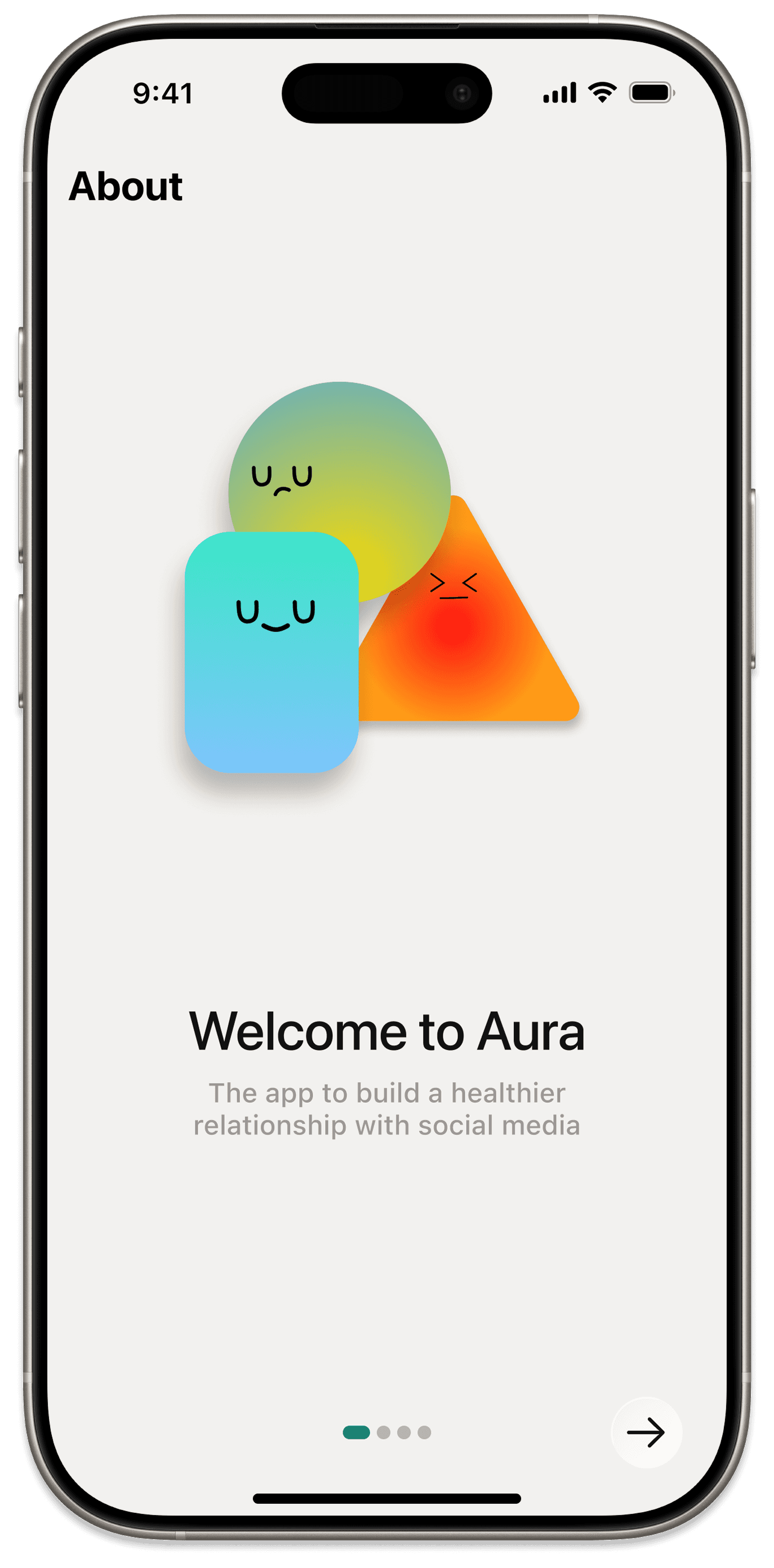
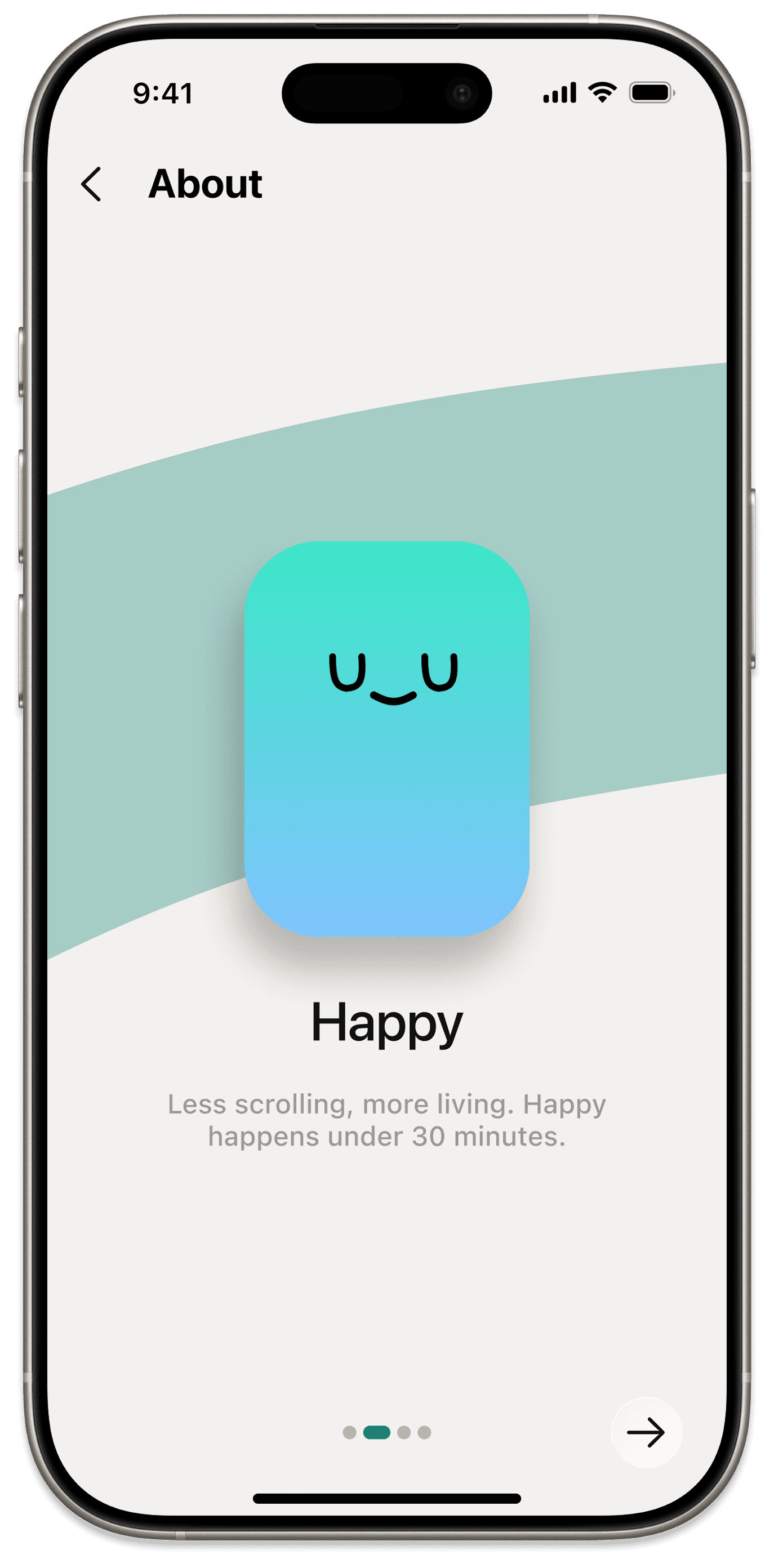
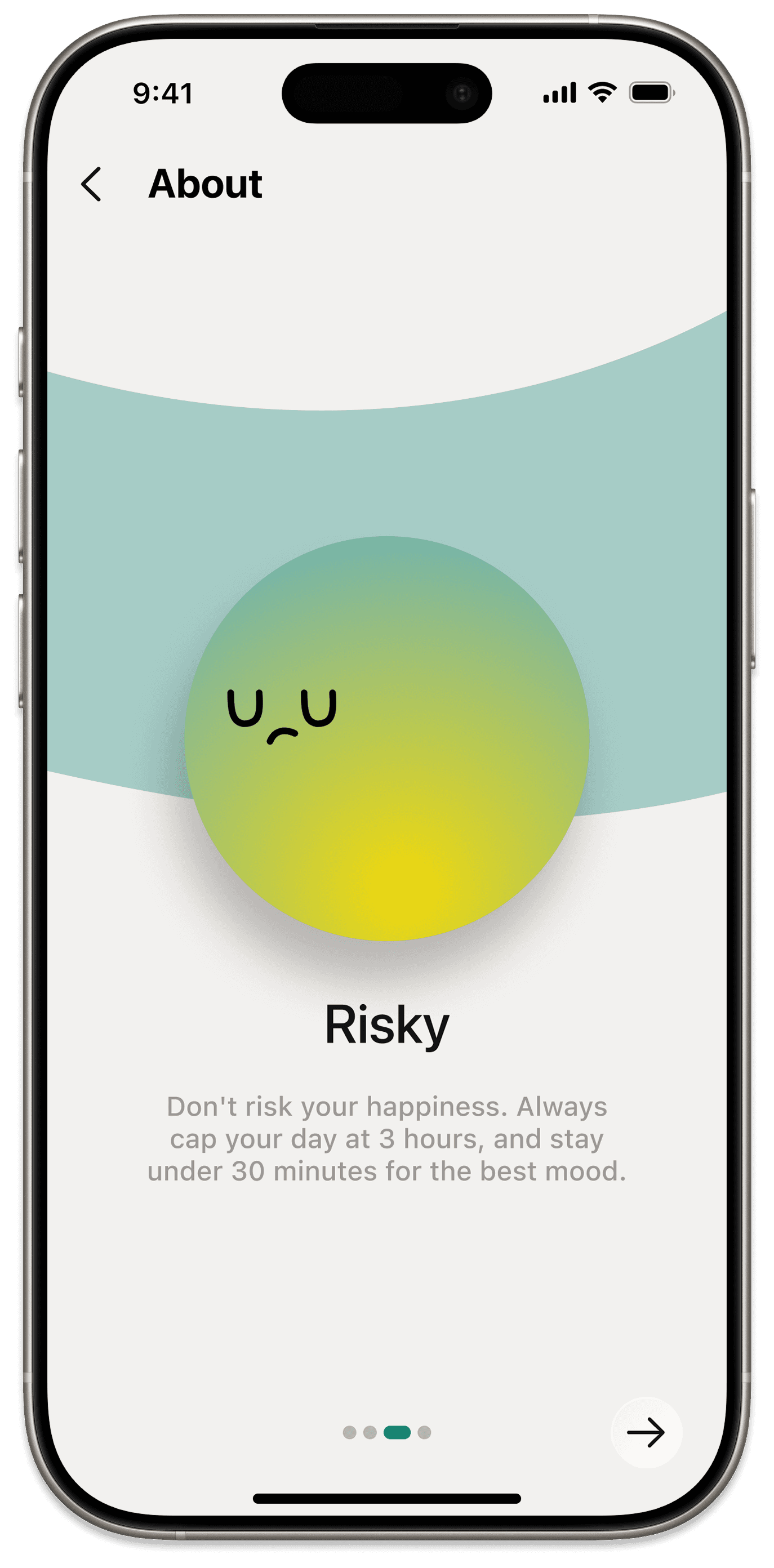
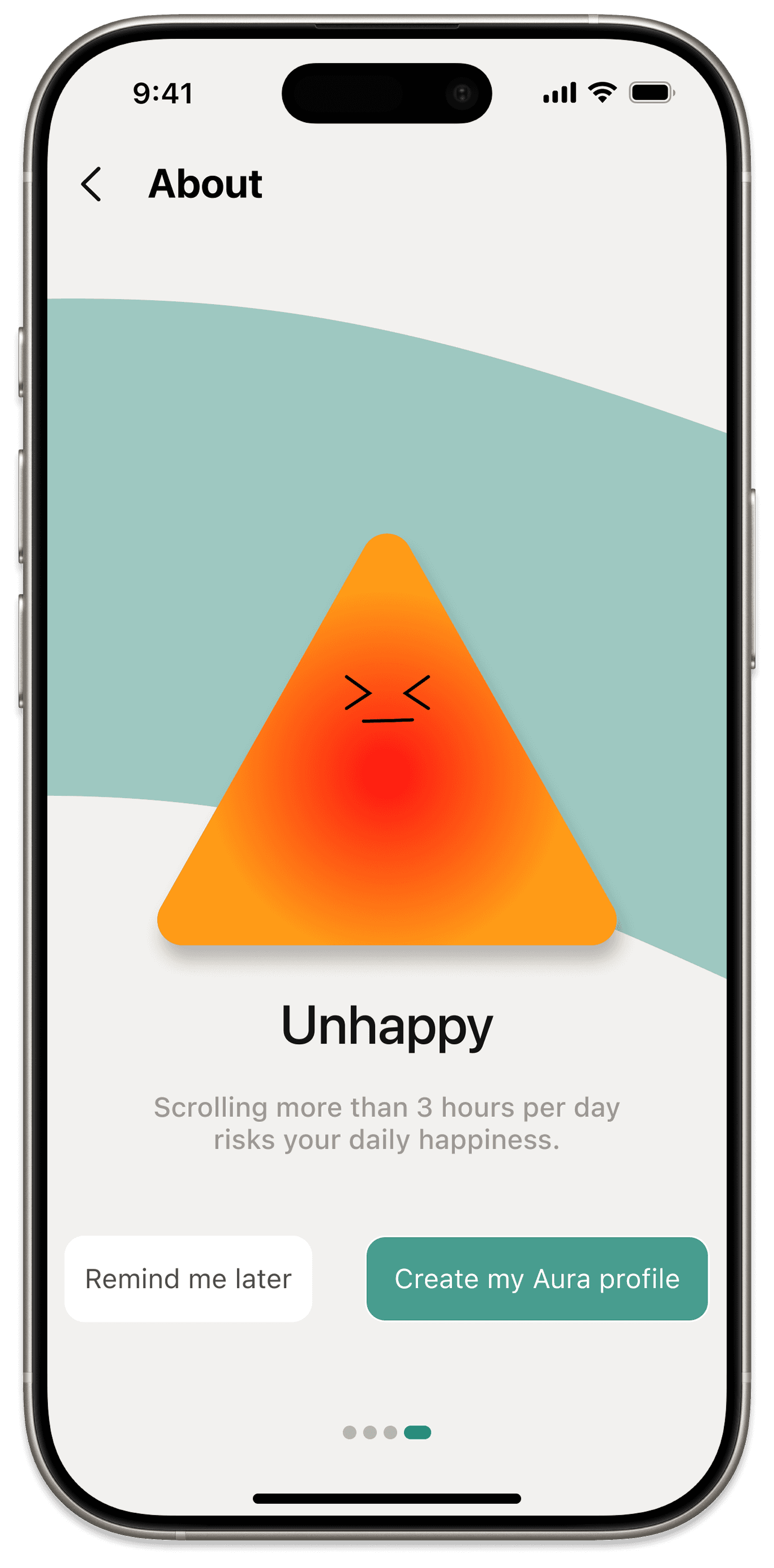
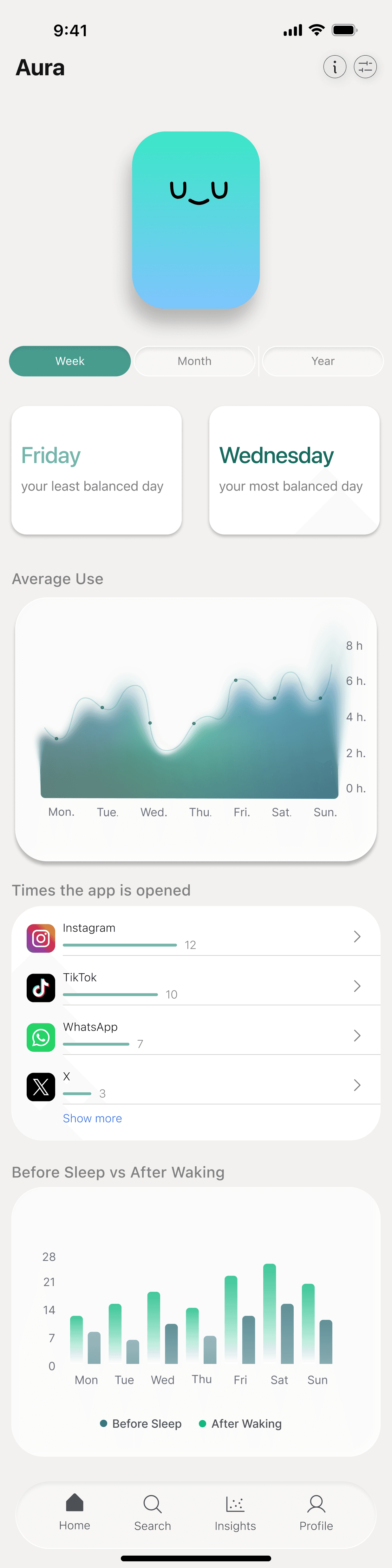
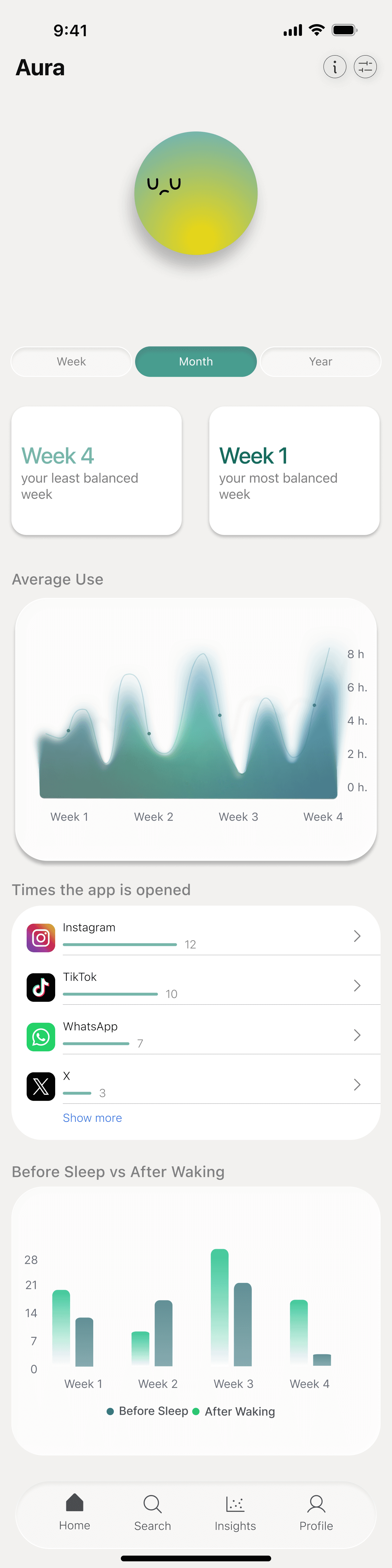
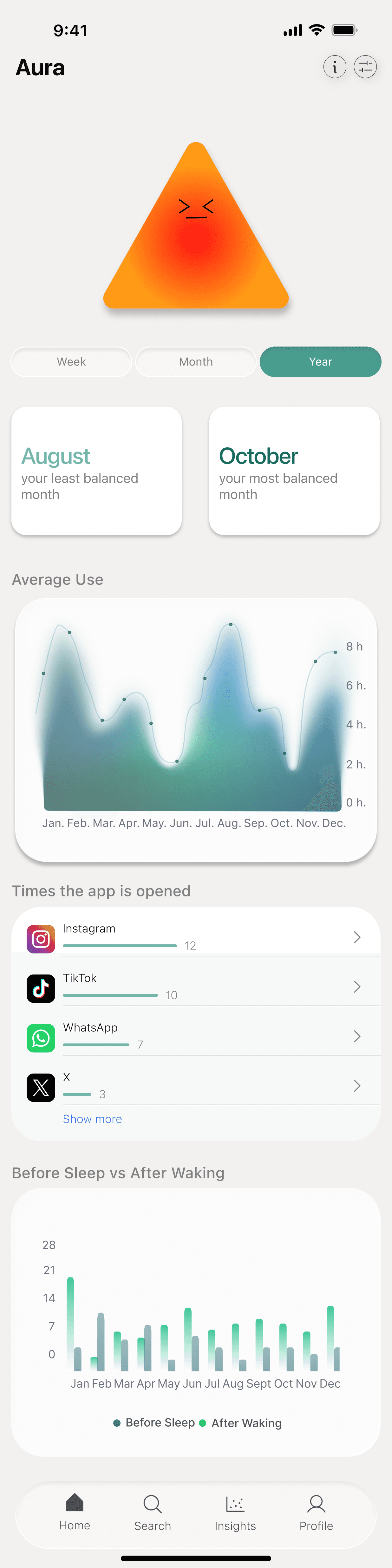
During our UX/UI Bootcamp, we created AURA, a group project designed to help people build a healthier and more mindful relationship with their smartphone use.

The idea came to life after spotting a common pattern: even though we know how much time we spend glued to our screens, disconnecting is still a real challenge for most of us.

Tools Used
Discovery

Discovery

As part of our research, we conducted interviews with pedestrians across different age groups.

These conversations gave us valuable insight into how people actually use their phones in their day-to-day lives, and how open they are to making changes to those habits.

Design Hypothesis

Design Hypothesis

People who feel they’re spending too much time on their phones don’t really have tools that help them improve their digital habits in a way that feels empathetic and actually sustainable.

Most current solutions stick to the usual: cutting screen time or blocking apps. But they rarely trigger any real emotional awareness or offer encouraging feedback that helps people change their habits for good. So, in the end, many users just turn these features off and fall right back into the same automatic scrolling cycles.

Research Goals

Research Goals

Understand the main motivations and triggers that lead users to spend excessive time on their phones.

Identify effective strategies and design opportunities to help reduce screen time in a realistic and user friendly way.

Explore practical interventions and techniques that can support users in managing and decreasing phone dependency.

Define sustainable, long-term approaches that encourage healthier digital habits and prevent the return to addictive usage patterns.

Research Questions

Research Questions

When, where, and how do users engage most with their phones?

What are the key usage patterns across different age and social groups (screen time, apps, frequency)?

What psychological, social, and technological factors drive compulsive phone use?

To what extent can they regain control over their time and attention without completely eliminating usage?

How can external factors like policy, regulations, or social norms promote healthier phone habits?

Interviews Findings

Interviews Findings

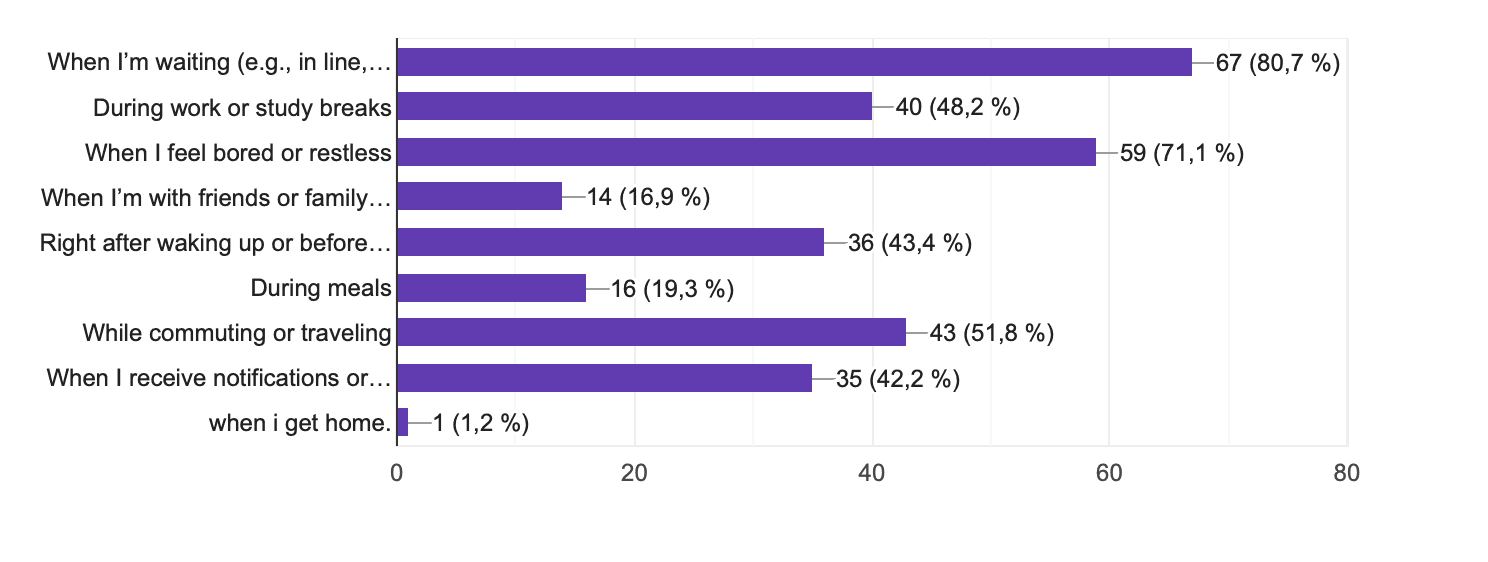
People’s emotions and motivations for picking up their phones can be different, boredom, constant notifications, or filling small waiting moments of ten matter more than the total hours they spend using them.

Different groups experience these emotions in different ways. Teenagers may feel guilty, overstimulated, or lose sleep after late-night scrolling, while many adults see phone use as a normal, functional part of their routine.

Current control tools don’t really drive meaningful change. Limits and reminders are easy to override and tend to feel more punitive than supportive.
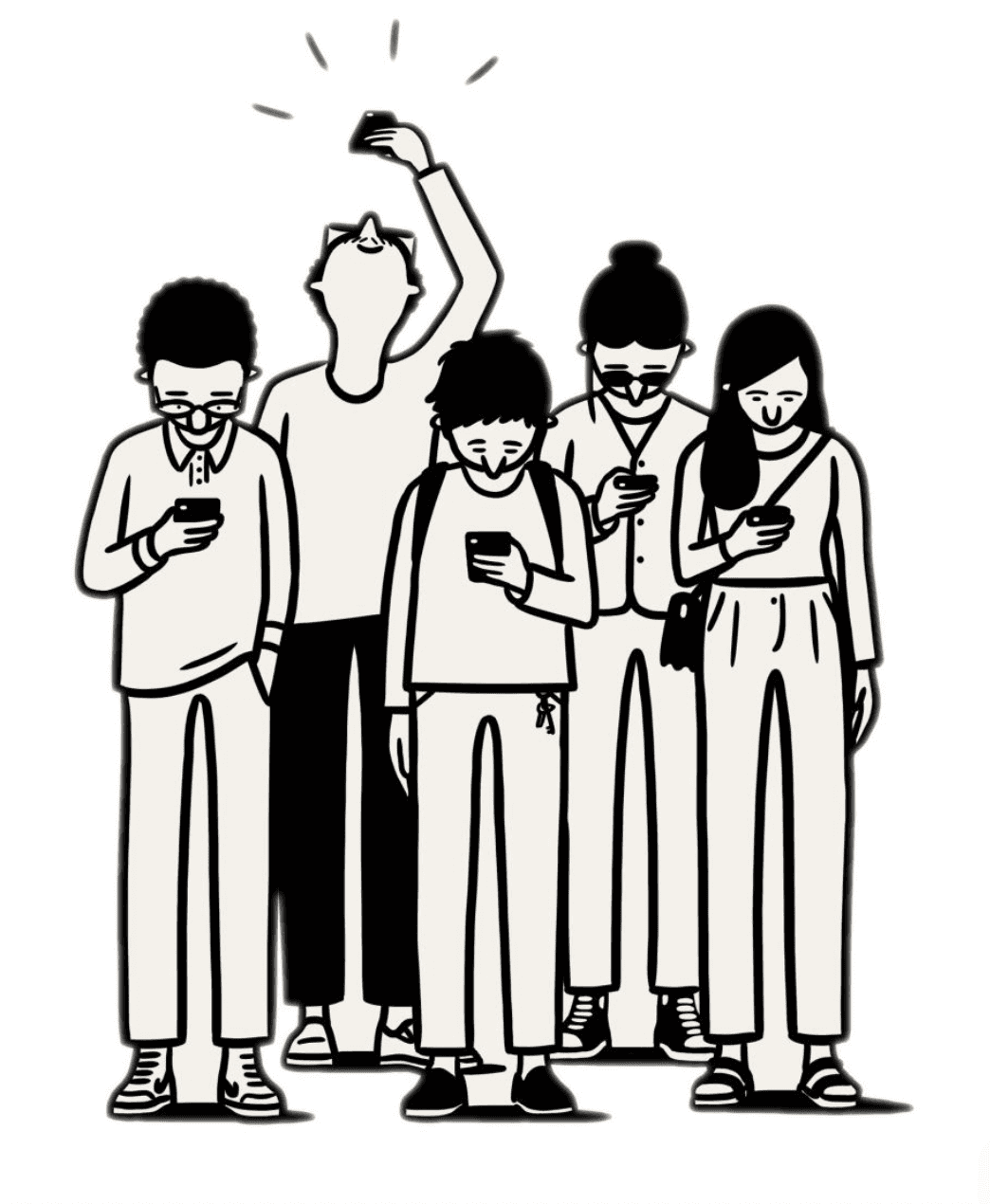
Current control tools don’t really drive meaningful change. Limits and reminders are easy to override and tend to feel more punitive than supportive.

Survey Findings

Survey Findings

We also conducted a survey of 76 participants conducted through Google Forms.

We explored behaviors, emotions, and coping strategies around phone overuse, focusing on how people manage time, notifications, and social media.

The responses helped us identify common pain points; like distraction, guilt, and fatigue and understand how digital habits affect mental wellbeing.
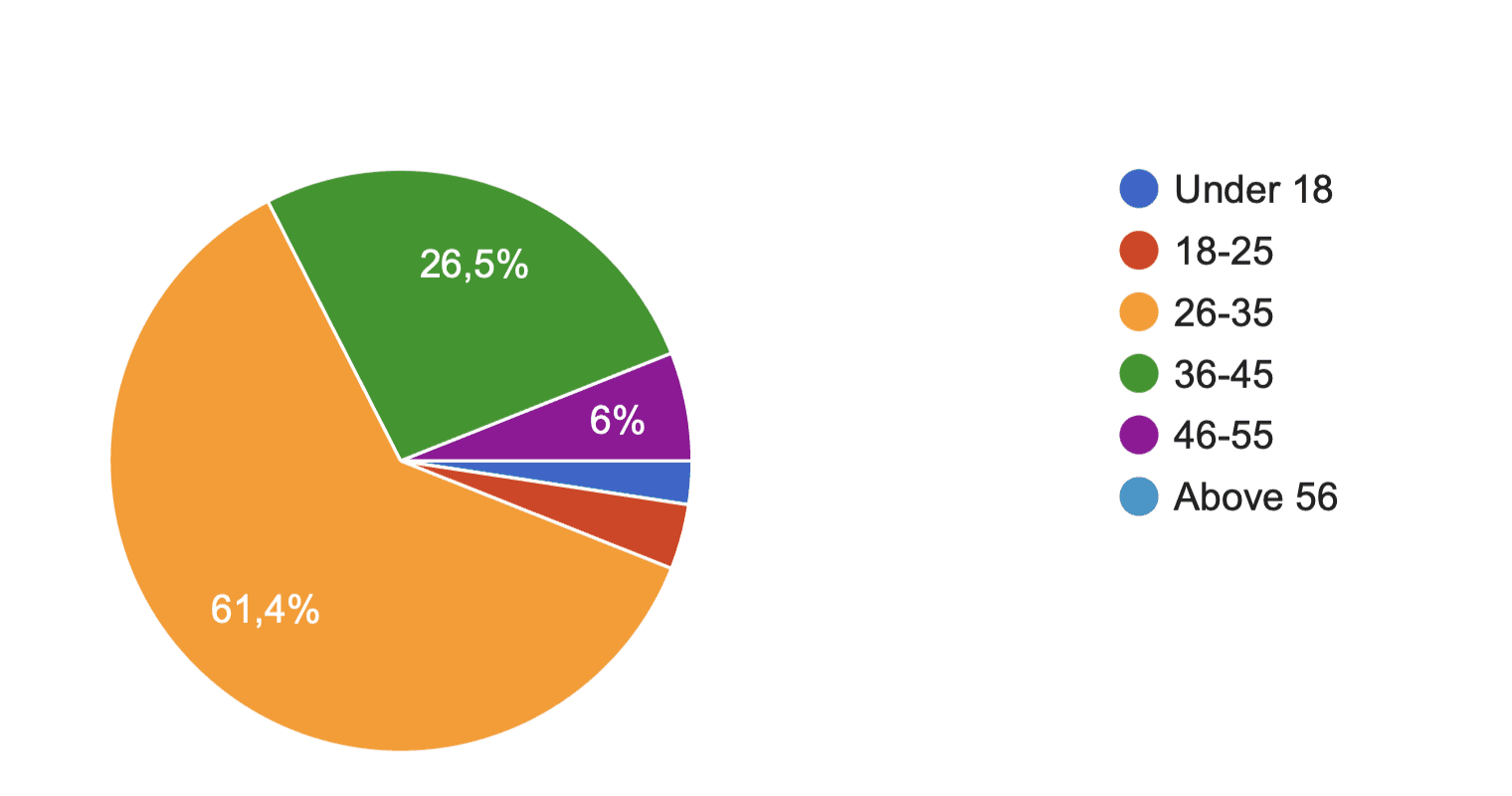
Most of the participants were 26 and 45 years old, including employees and students.

Most of the participants were 26 and 45 years old, including employees and students.

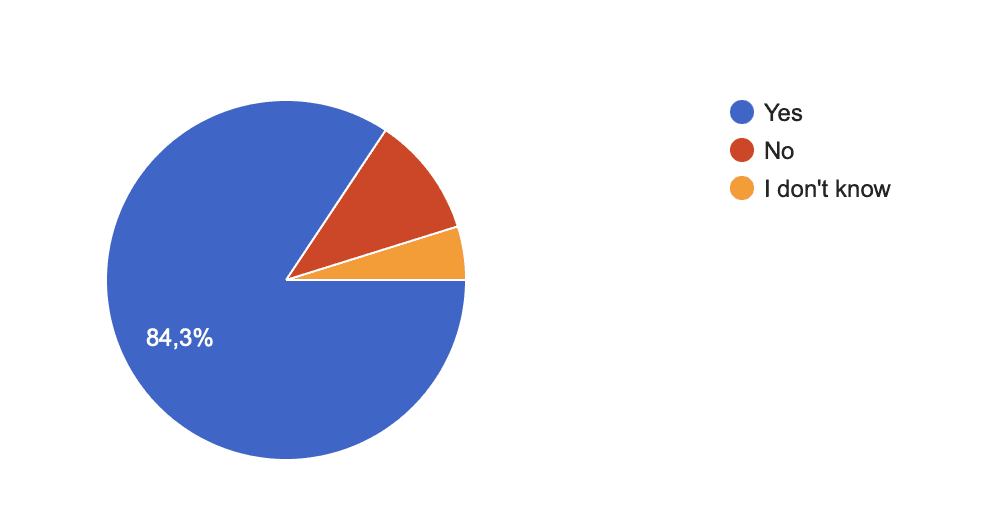
85% admitted to believing they spend too much time on their phones

85% admitted to believing they spend too much time on their phones

Main triggers being: notifications, boredom, and waiting times.

Main triggers being: notifications, boredom, and waiting times.

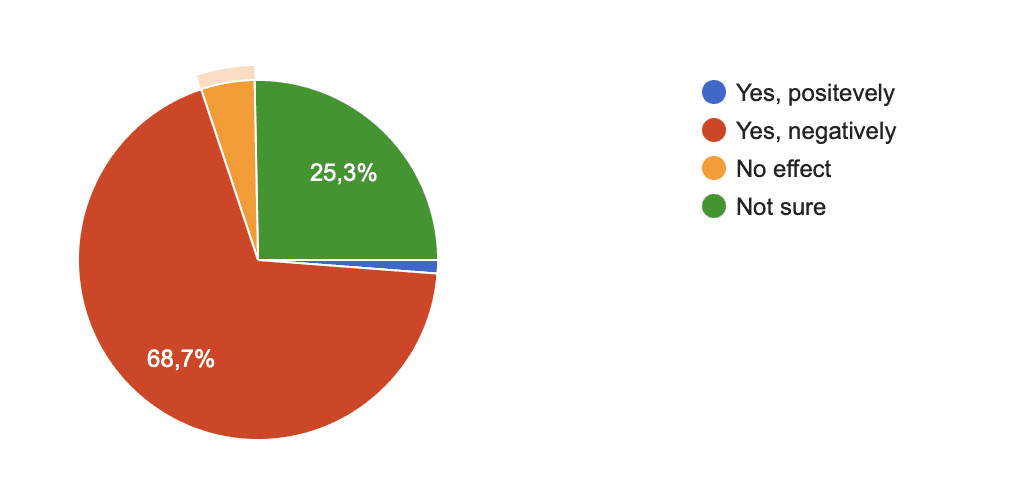
68% feel that phone or social media use affects their mood or mental health.

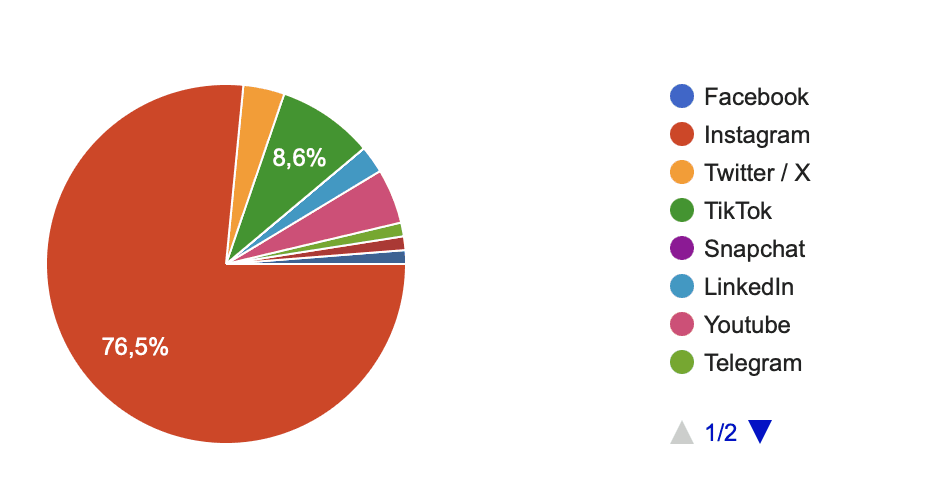
Social media is the main driver — especially Instagram (76%).

Most users scroll without purpose, often late at night.

Sleep issues are common due to bedtime use.

68% feel that phone or social media use affects their mood or mental health.

Social media is the main driver — especially Instagram (76%).

Most users scroll without purpose, often late at night.

Sleep issues are common due to bedtime use.

68% feel that phone or social media use affects their mood or mental health.

Social media is the main driver — especially Instagram (76%).

Most users scroll without purpose, often late at night.

Sleep issues are common due to bedtime use.

Problem Statement

Problem Statement

Problem Statement

People feel they spend too much time on their phones but the existing tools feel rigid, punitive or easy to ignore.

Users don’t just want to use their phones less, they want to sleep better, focus more, and feel in control again.

Many young and middle-aged adults are caught in a cycle of unintentional, excessive phone use, primarily on social media like Instagram that negatively impacts their mental health, sleep, and relationships.

This isn’t just about the apps; it's a subconscious habit often triggered by boredom, stress, or a sense of disconnection from others and themselves. While people are aware of the negative effects and desire more control, their attempts to self regulate fail because phone use has become largely unconscious, and the current device limits are too easy to bypass.

User Persona

User Persona

User Persona

Carla Bria

Occupation: Sales Assistant

Occupation: Sales Assistant

Education: Studies accounting

Education: Studies accounting

Location: Barcelona, Spain

Location: Barcelona, Spain

Bio

Bio

Carla recently moved to Barcelona because she got a good job as a sales assistant at a very prestigious designer furniture store in the city.

Although most of her workday is busy, there are also times when there are no customers in the store and nothing to organize, and she can get a little bored.

Goals

Goals

She wants to start reading more books, get more active by playing sports or engaging in physical activities, and enjoy her free moments without feeling guilty about using her phone.

Frustrations

Frustrations

She feels she spends too much time on social media, especially Instagram, and wishes she could overcome her lack of motivation to dedicate more time to socializing, meeting new people, and engaging in creative or sporting activities.

Personality

Introvert

Extrovert

Busy

Time rich

Analitycal

Creative

Messy

Organized

Independent

Team player

Bench Mark

Good

Neutral

Could be better

Forest

Light phone

Freedom

Style

Successfulness

Main feature

  • You plant a virtual tree that grows while you don't use your phone.

  • The emotional connection to the growth of a forest (virtual and real, as they collaborate with NGOs to plant physical trees).

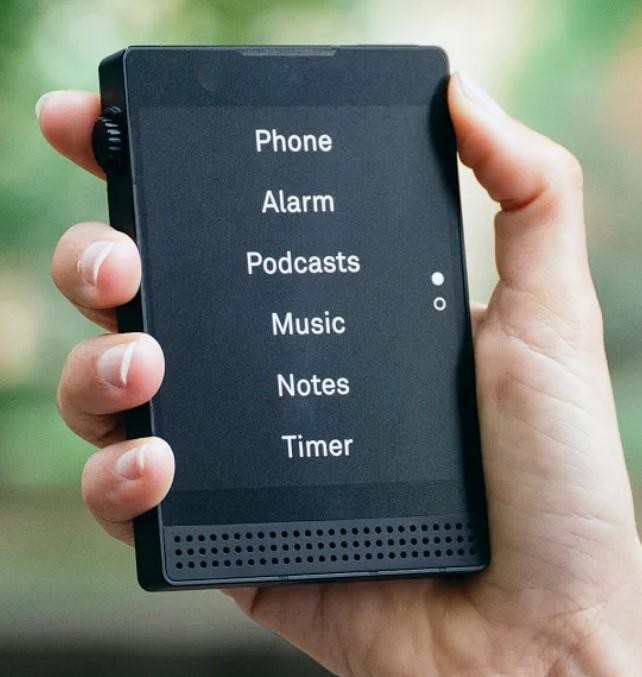
  • Designed to be “anti-phone”: it only allows calls, messages, and a few basic functions.

  • With a monochromatic design and minimalist typography, its aesthetic aligns with the "less is more" philosophy.

  • (Cross-Platform Software) blocks apps, websites, or complete internet access for configured periods. Works on mobile and desktop.

  • Special Feature: Flexibility and cross-platform compatibility, making it powerful for users who work between mobile and desktop.

Other features

  • It has a very active user base on social networks and forums that share “virtual forests.”

  • The Light operating system, LightOS, is built around intentionality & privacy.

  • Works on mobile and desktop.

Branding, positioning,

and pricing

  • Branding: Associated with nature, calm, and sustainability.

  • Positioning: Focused on students and professionals seeking concentration in a fun and eco-friendly way.

  • Low one-time payment (~2–3 USD) with optional purchases (new trees, characters, etc.).

  • Branding: Extreme minimalism, black and white, clean typography. The branding communicates "less is freedom."

  • Positioning: digital minimalism movement. It is positioned as an aspirational lifestyle, not a mass-market solution.

  • Premium product (~300–400 USD). A deliberate strategy to reinforce exclusivity and align with niche lifestyles.

  • Branding: Simple and powerful name (“Freedom”). Green colors convey calm, self-control, and productivity.

  • Positioning: A serious tool, more geared toward professionals and creatives who want to control distractions.

  • Pricing: Monthly subscription (~$8) or annual subscription (~$30–40). Classic SaaS model, with a free trial for onboarding.

User experience and

usability

The learning curve is almost zero.

Usability: Extremely intuitive: open, plant a tree, lock. The learning curve is almost zero. The visual design helps understand the logic without the need for tutorials.

Strong point: The balance between functional simplicity and emotional reward.

Seeks to generate calm through the absence of stimuli. UX isn't measured so much by interaction, but by "non-interaction" (fewer notifications, fewer apps).

Usability: Ultra-easy to use: calls, messages, alarms. However, the transition from a smartphone can be frustrating for users dependent on basic apps.

Strong point: "Friction" is part of the design: it deliberately limits functions to promote the goal of disconnection.

Focuses on providing control and discipline. The experience is less emotional and more functional.

Usability: Clear interface but with a certain initial learning curve (configuring blocking lists, schedules). Once configured, it works automatically and efficiently.

Strong point: Its versatility between mobile and desktop

Sumamry

An app that turns concentration into a game with virtual trees. Highly rated for its user-friendly design and effectiveness for studying or working. Users highlight the emotional motivation and positive impact on habits. Positioned as a fun and eco-friendly option for digital productivity.

A minimalist phone that eliminates almost all modern features.

Opinions are divided: those looking for a way to disconnect love it, but others find it too limited. Its price makes it a niche product.

Software that blocks apps or the internet so you can focus. Highly appreciated by writers, students, and professionals who value its versatility across devices.

Reviews highlight its effectiveness, although it requires initial setup. Positioned as a serious and professional productivity tool.

Task Flow

Task Flow

Task Flow

Site Map

Site Map

Site Map

Styleguide

Styleguide

Styleguide

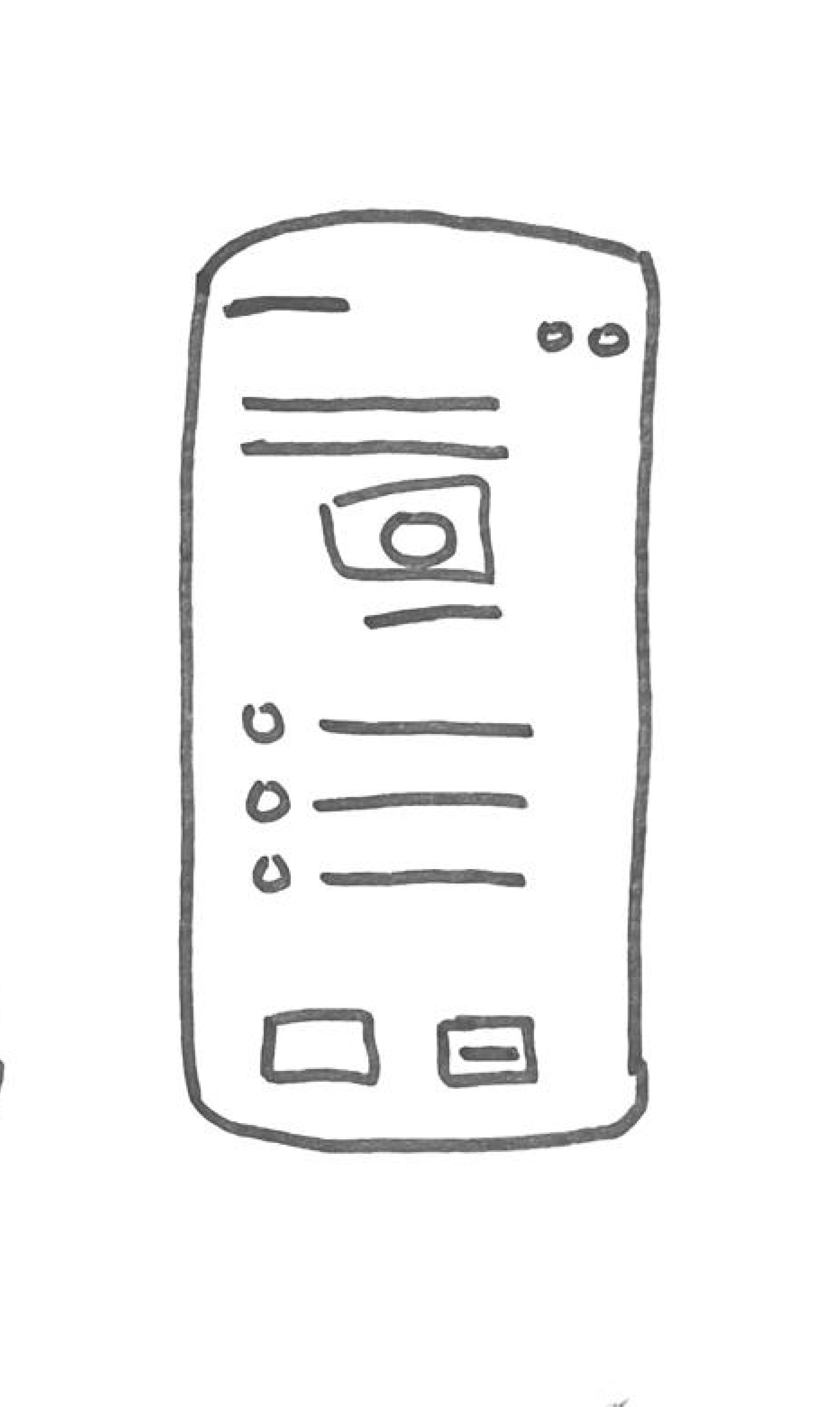
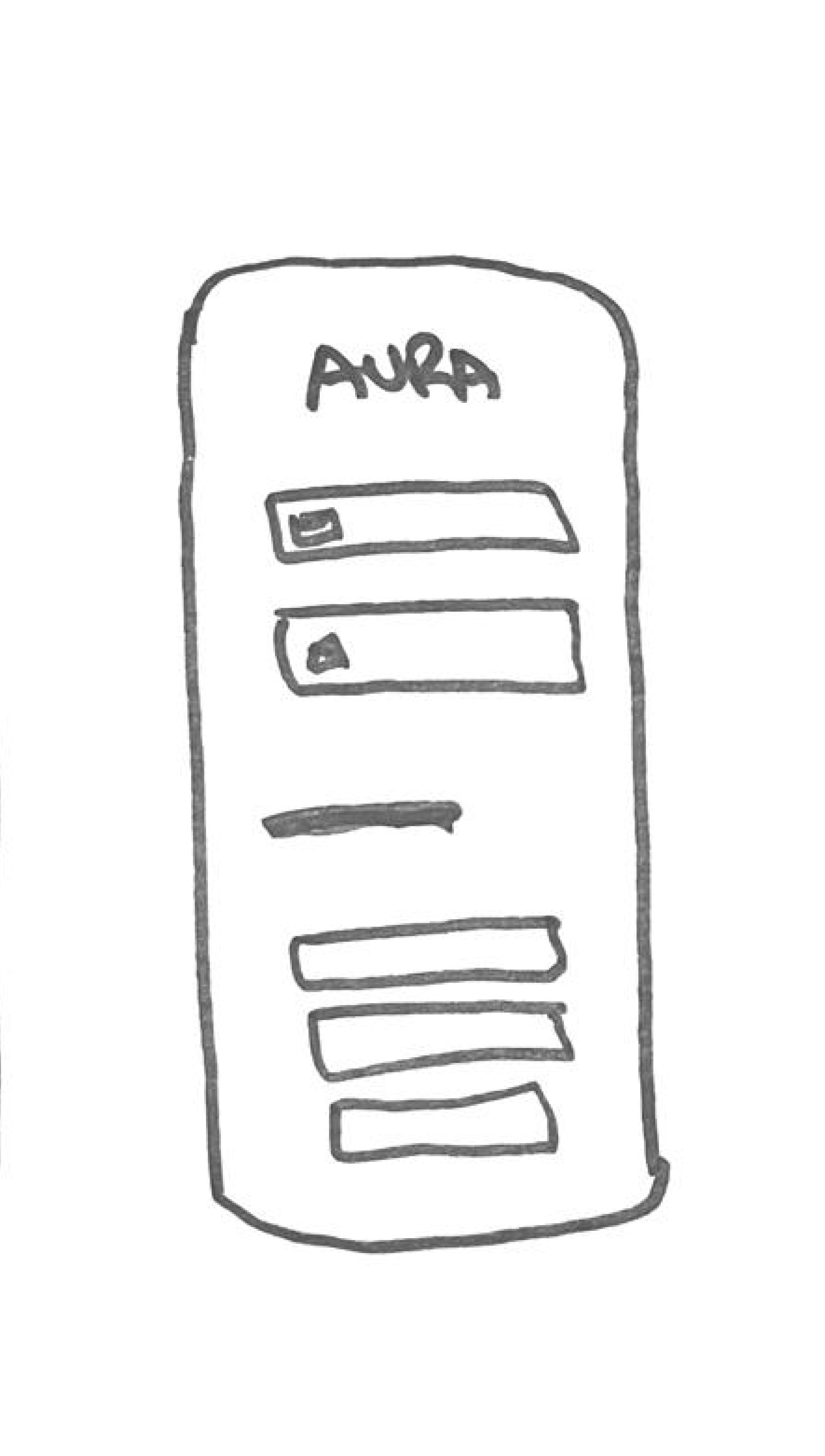
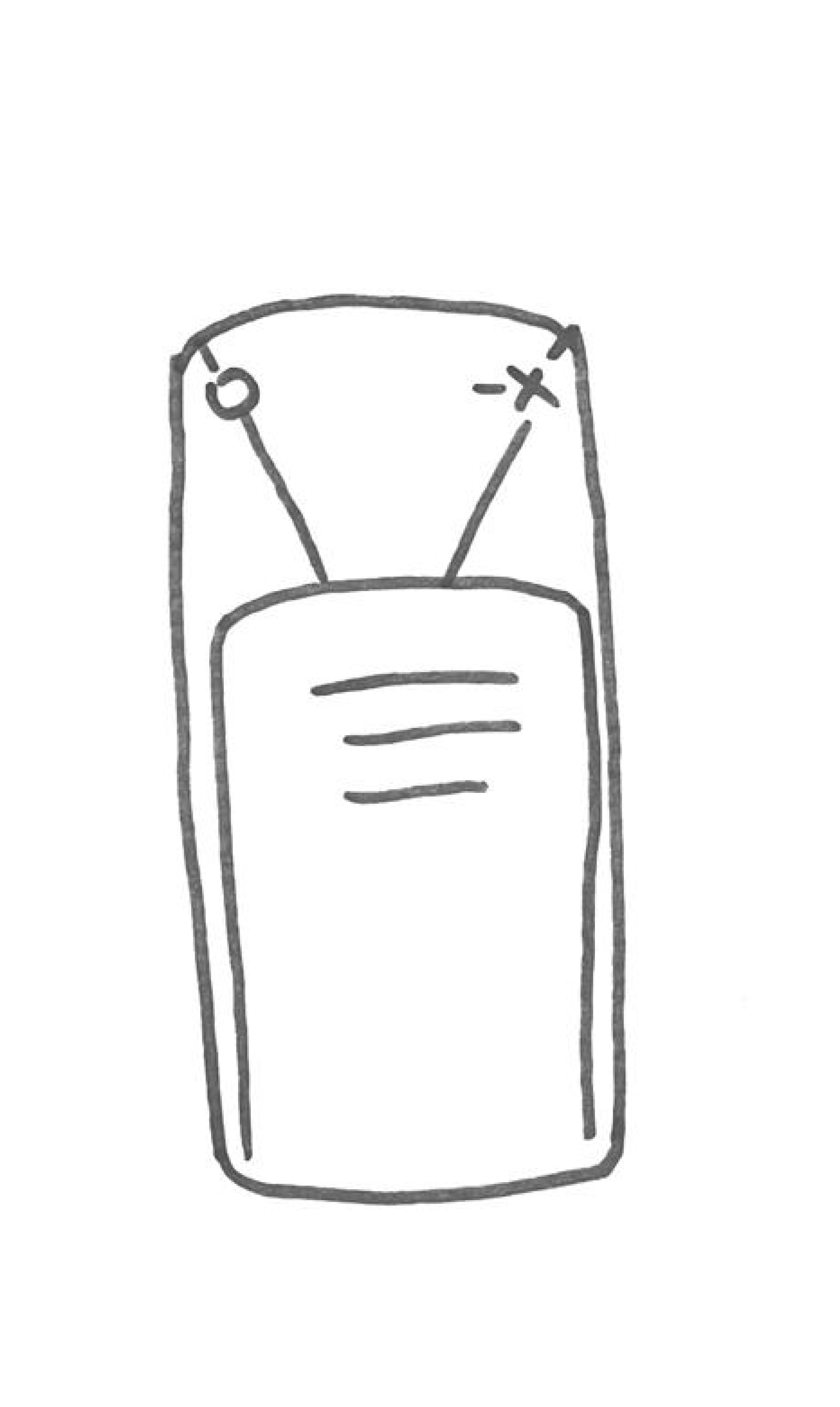
Paper Wireframes

Paper Wireframes

Paper Wireframes

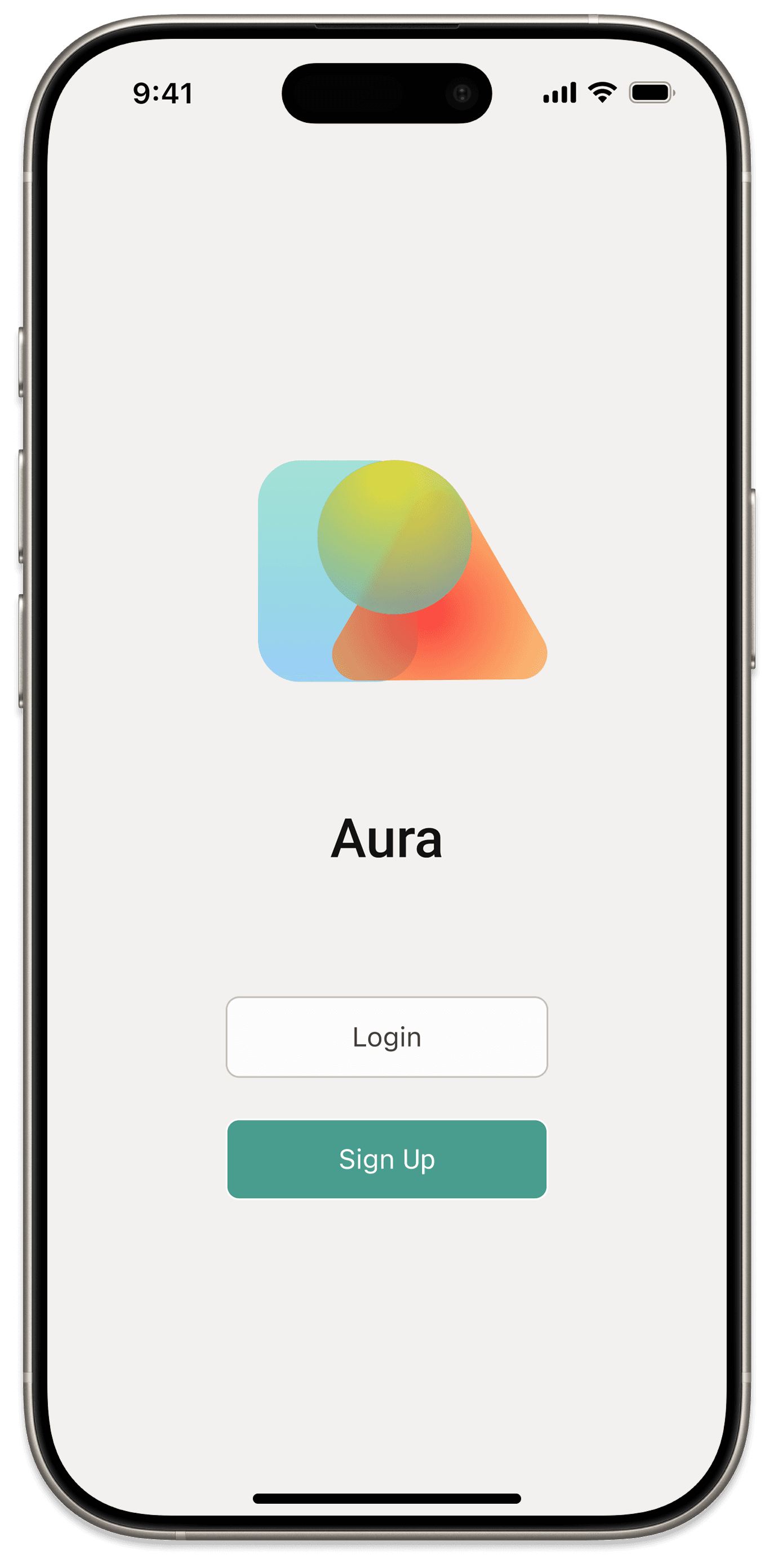
High fidelity

High fidelity

High fidelity

Prototype

Prototype

Prototype

Test findings

Users described the overall experience as easy to use, highlighting the natural and fluid navigation, although some encountered a discoverability issue when trying to locate certain features, such as the “Add timer” option on Instagram. While the graphs and statistics were visually appealing, several users mentioned that the data clarity could be improved, as the information wasn’t immediately intuitive.

Despite these points, the overall impression of Aura was highly positive, with users describing it as calm, friendly, and emotionally balanced, which aligns strongly with the product’s core intent.

Iteration

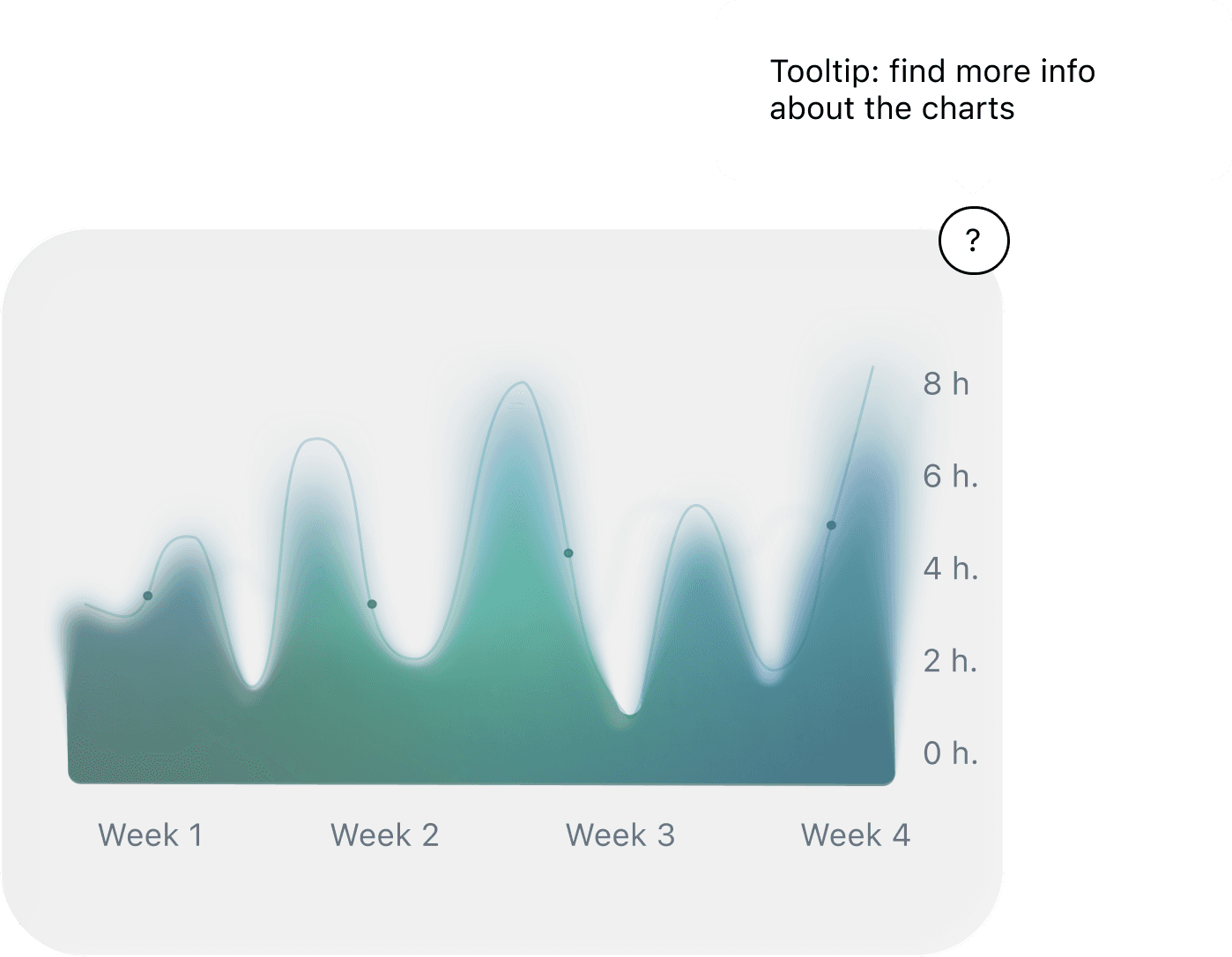
Before

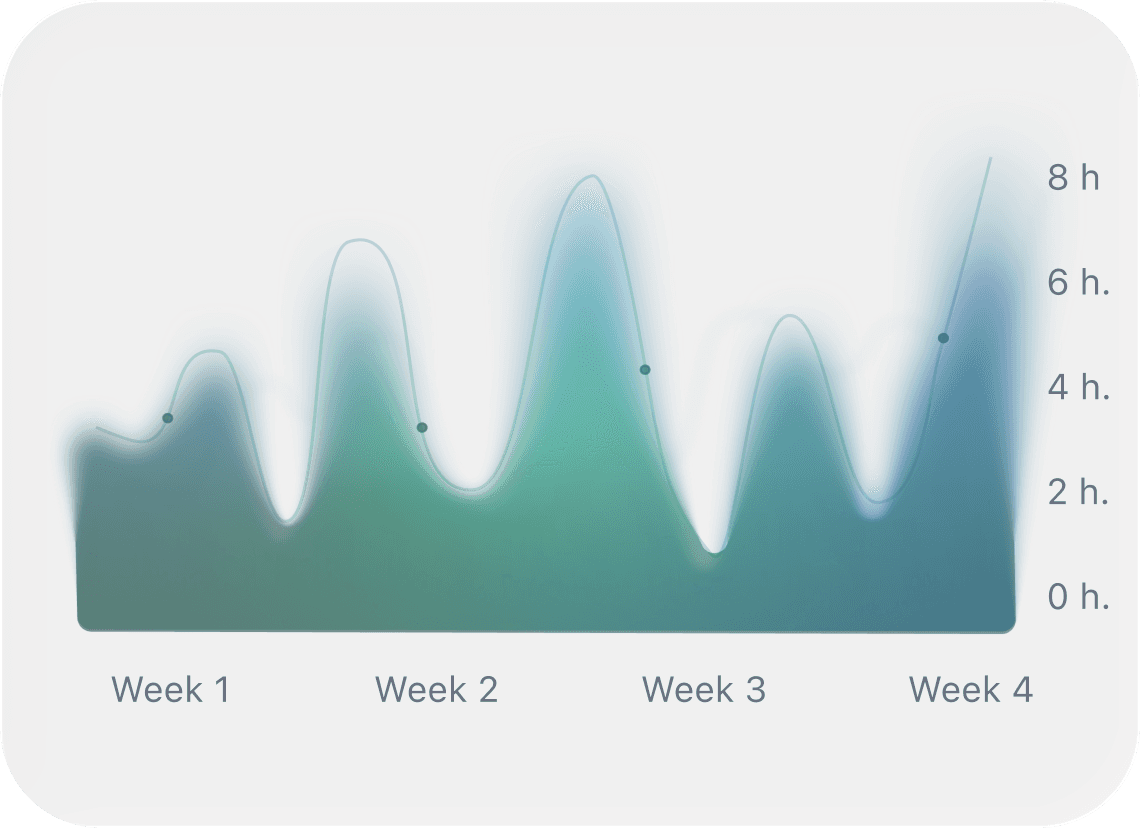
Users had issues understanding chart information
After

Added tooltips on graphs to provide users with clear explanations of the data, improving understanding and context.
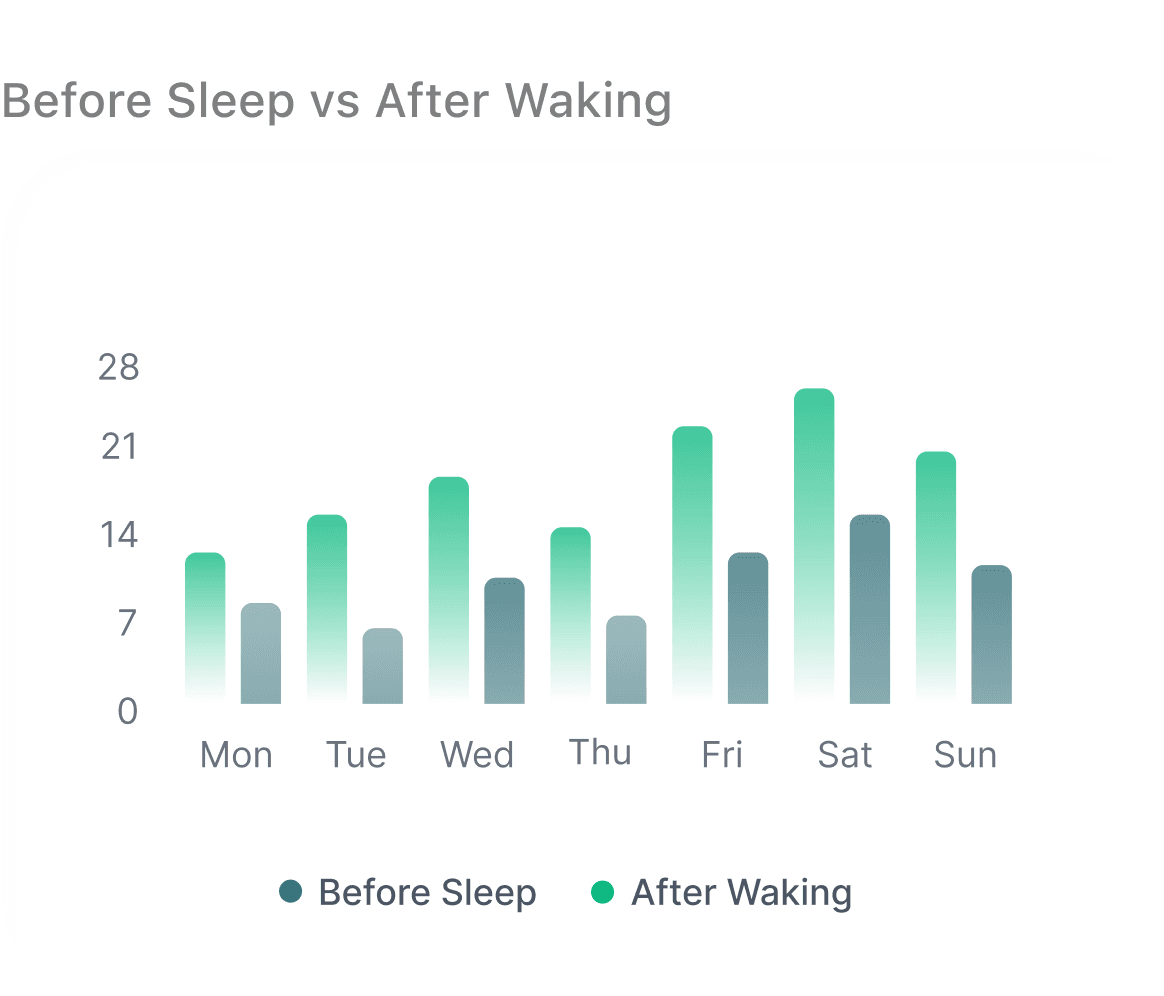
Before

People don´t understand the Before Sleep VS After Waking Graph
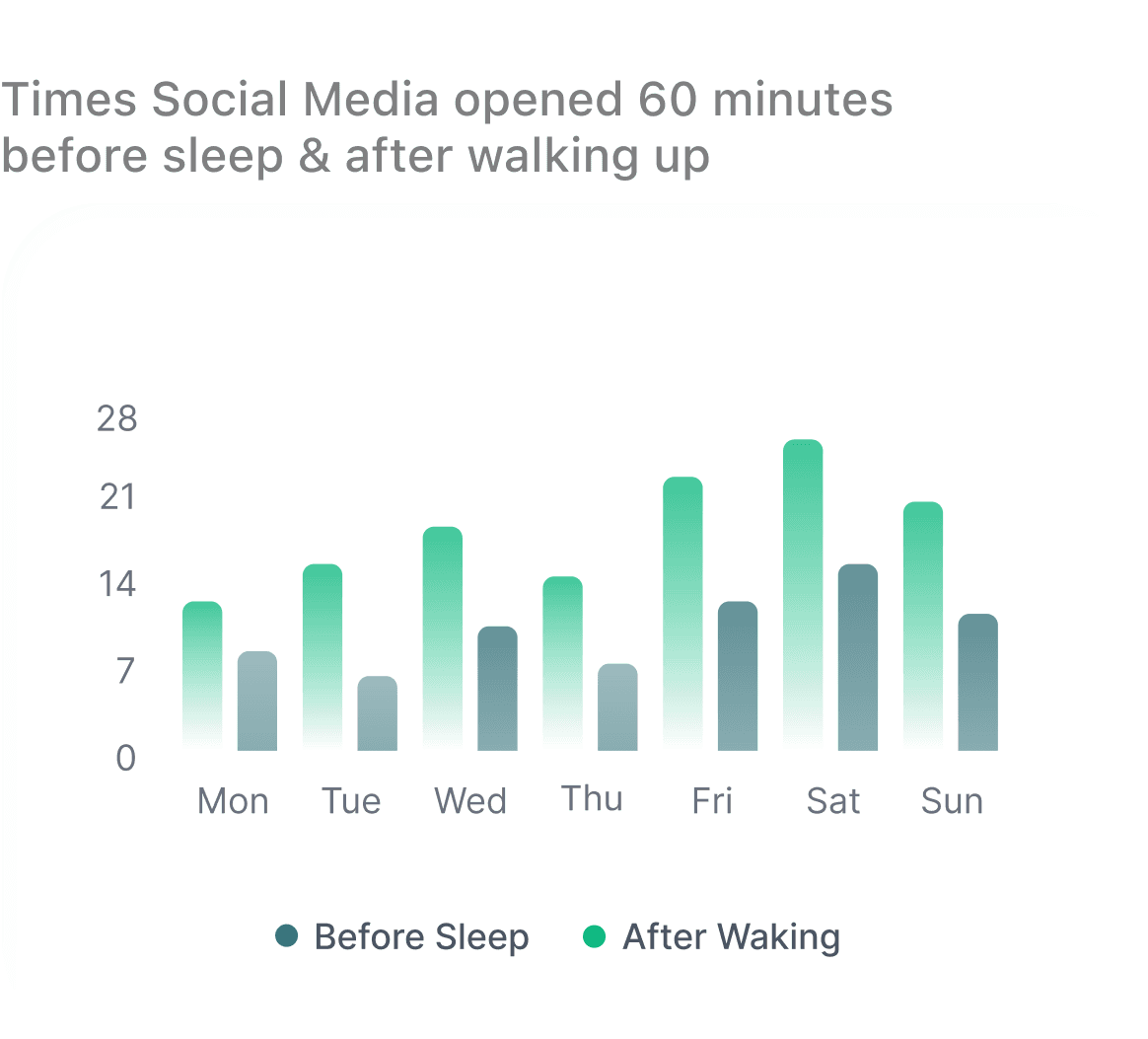
After

Changed the title above the graph to better explain the meaning :
Before

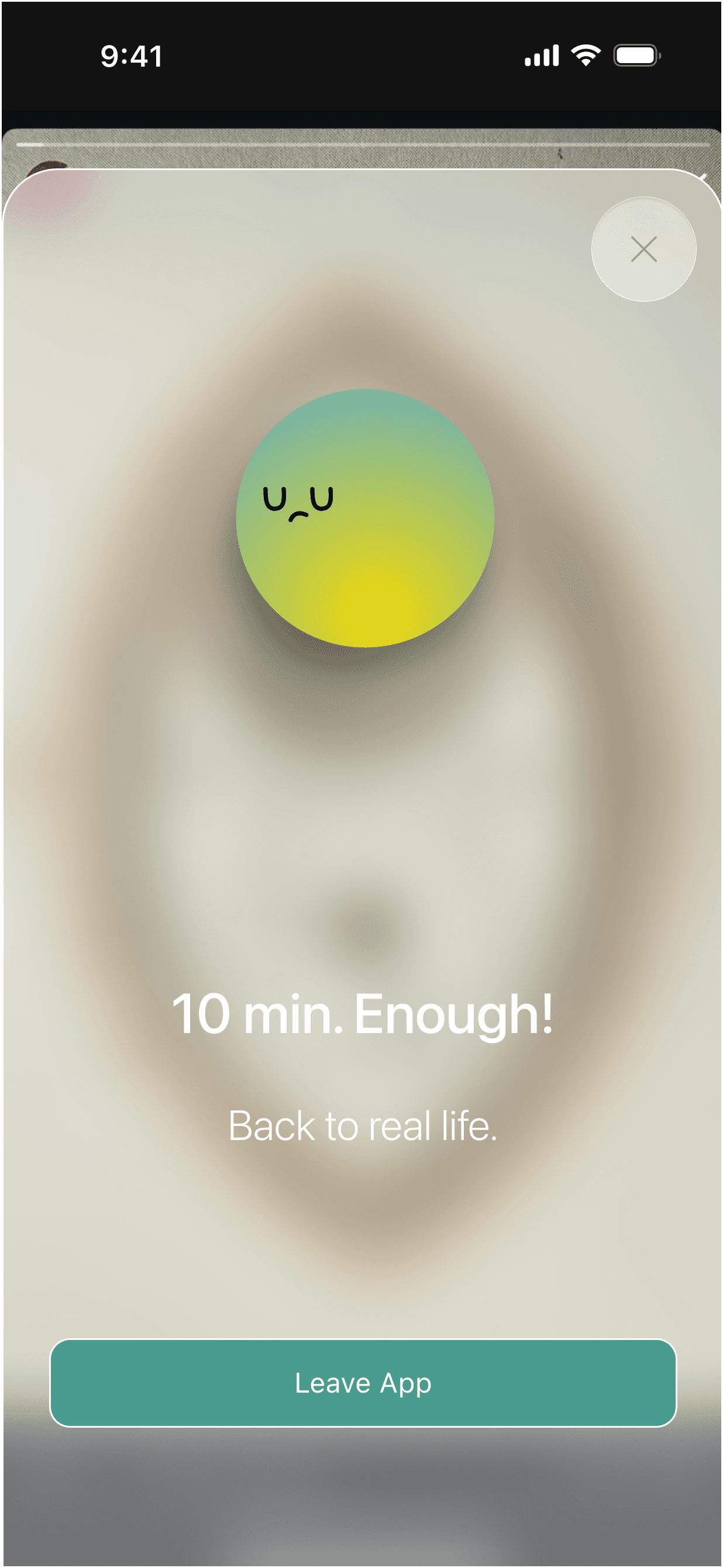
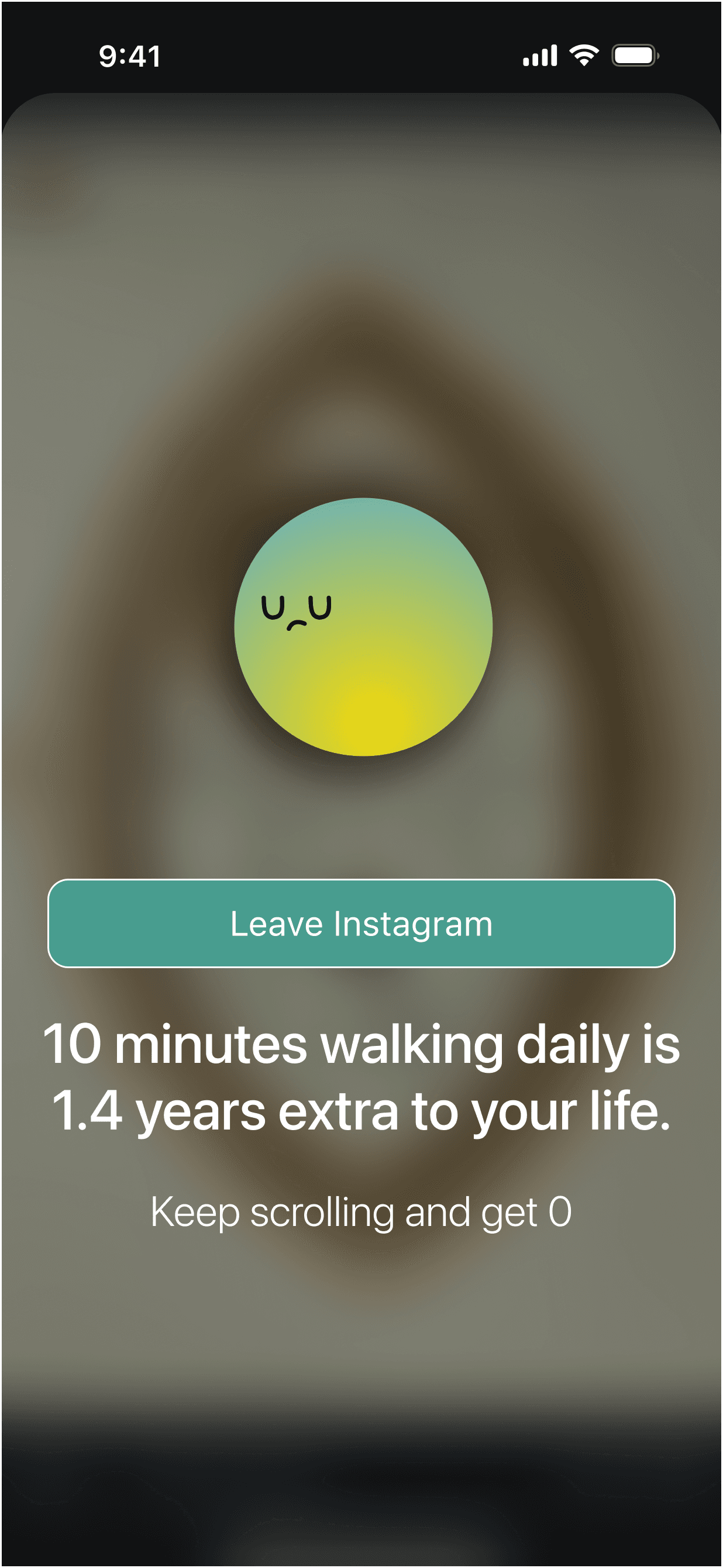
People quickly closed the pop-up, found the background hard to read, and said the messages weren’t motivating or educational enough.

After

Based on this feedback, I improved contrast and readability, made the pop-up full-screen, removed the X button, and rewrote the messages to be more engaging and purpose-driven.

Before

People quickly closed the pop-up, found the background hard to read, and said the messages weren’t motivating or educational enough.

After

Based on this feedback, I improved contrast and readability, made the pop-up full-screen, removed the X button, and rewrote the messages to be more engaging and purpose-driven.

Retrospective

Aura was my first group project in the bootcamp, and beyond the final outcome, it became a major learning experience. Working with different perspectives taught me to listen, negotiate, and find balance, always grounding our decisions in the user’s needs.

Our research revealed that phone overuse isn’t just about time, but about context; boredom, notifications, and small waiting moments. People don’t necessarily want to use their phones less, but use them better. Designing from this more empathetic perspective shifted my approach: I realized that good design doesn’t restrict but supports, guides, and gives users back a sense of control.

In response, I proposed a digital platform offering verified informationaudio resources for emotional support, and a live chat with professionals.

Aura ended up being a key moment in how I understand product design: collaborative, human, and purpose driven.

Gustavo Juarez®

Gustavo Juarez®

Thank you.

Thank you for taking the time to view my CV.
I invite your correspondence without hesitation.

Thank you.

All Rights Reserved. ©2026.

All Rights Reserved. ©2026.

Branding: Associated with nature, calm, and sustainability.

Good

Neutral

Could be better

Forest

Light phone

Freedom

Style

Successfulness

Main feature

  • You plant a virtual tree that grows while you don't use your phone.

  • The emotional connection to the growth of a forest (virtual and real, as they collaborate with NGOs to plant physical trees).

  • Designed to be “anti-phone”: it only allows calls, messages, and a few basic functions.

  • With a monochromatic design and minimalist typography, its aesthetic aligns with the "less is more" philosophy.

  • (Cross-Platform Software) blocks apps, websites, or complete internet access for configured periods. Works on mobile and desktop.

  • Special Feature: Flexibility and cross-platform compatibility, making it powerful for users who work between mobile and desktop.

Other features

  • It has a very active user base on social networks and forums that share “virtual forests.”

  • The Light operating system, LightOS, is built around intentionality & privacy.

  • Works on mobile and desktop.

Branding, positioning,

and pricing

  • Branding: Associated with nature, calm, and sustainability.

  • Positioning: Focused on students and professionals seeking concentration in a fun and eco-friendly way.

  • Low one-time payment (~2–3 USD) with optional purchases (new trees, characters, etc.).

  • Branding: Extreme minimalism, black and white, clean typography. The branding communicates "less is freedom."

  • Positioning: digital minimalism movement. It is positioned as an aspirational lifestyle, not a mass-market solution.

  • Premium product (~300–400 USD). A deliberate strategy to reinforce exclusivity and align with niche lifestyles.

  • Branding: Simple and powerful name (“Freedom”). Green colors convey calm, self-control, and productivity.

  • Positioning: A serious tool, more geared toward professionals and creatives who want to control distractions.

  • Pricing: Monthly subscription (~$8) or annual subscription (~$30–40). Classic SaaS model, with a free trial for onboarding.

User experience and

usability

The learning curve is almost zero.

Usability: Extremely intuitive: open, plant a tree, lock. The learning curve is almost zero. The visual design helps understand the logic without the need for tutorials.

Strong point: The balance between functional simplicity and emotional reward.

Seeks to generate calm through the absence of stimuli. UX isn't measured so much by interaction, but by "non-interaction" (fewer notifications, fewer apps).

Usability: Ultra-easy to use: calls, messages, alarms. However, the transition from a smartphone can be frustrating for users dependent on basic apps.

Strong point: "Friction" is part of the design: it deliberately limits functions to promote the goal of disconnection.

Focuses on providing control and discipline. The experience is less emotional and more functional.

Usability: Clear interface but with a certain initial learning curve (configuring blocking lists, schedules). Once configured, it works automatically and efficiently.

Strong point: Its versatility between mobile and desktop

Sumamry

An app that turns concentration into a game with virtual trees. Highly rated for its user-friendly design and effectiveness for studying or working. Users highlight the emotional motivation and positive impact on habits. Positioned as a fun and eco-friendly option for digital productivity.

A minimalist phone that eliminates almost all modern features.

Opinions are divided: those looking for a way to disconnect love it, but others find it too limited. Its price makes it a niche product.

Software that blocks apps or the internet so you can focus. Highly appreciated by writers, students, and professionals who value its versatility across devices.

Reviews highlight its effectiveness, although it requires initial setup. Positioned as a serious and professional productivity tool.

Bench Mark

Create a free website with Framer, the website builder loved by startups, designers and agencies.